Personal Loan vs Credit Card Balance Transfer: Which Is Right for Debt Repayment in India?
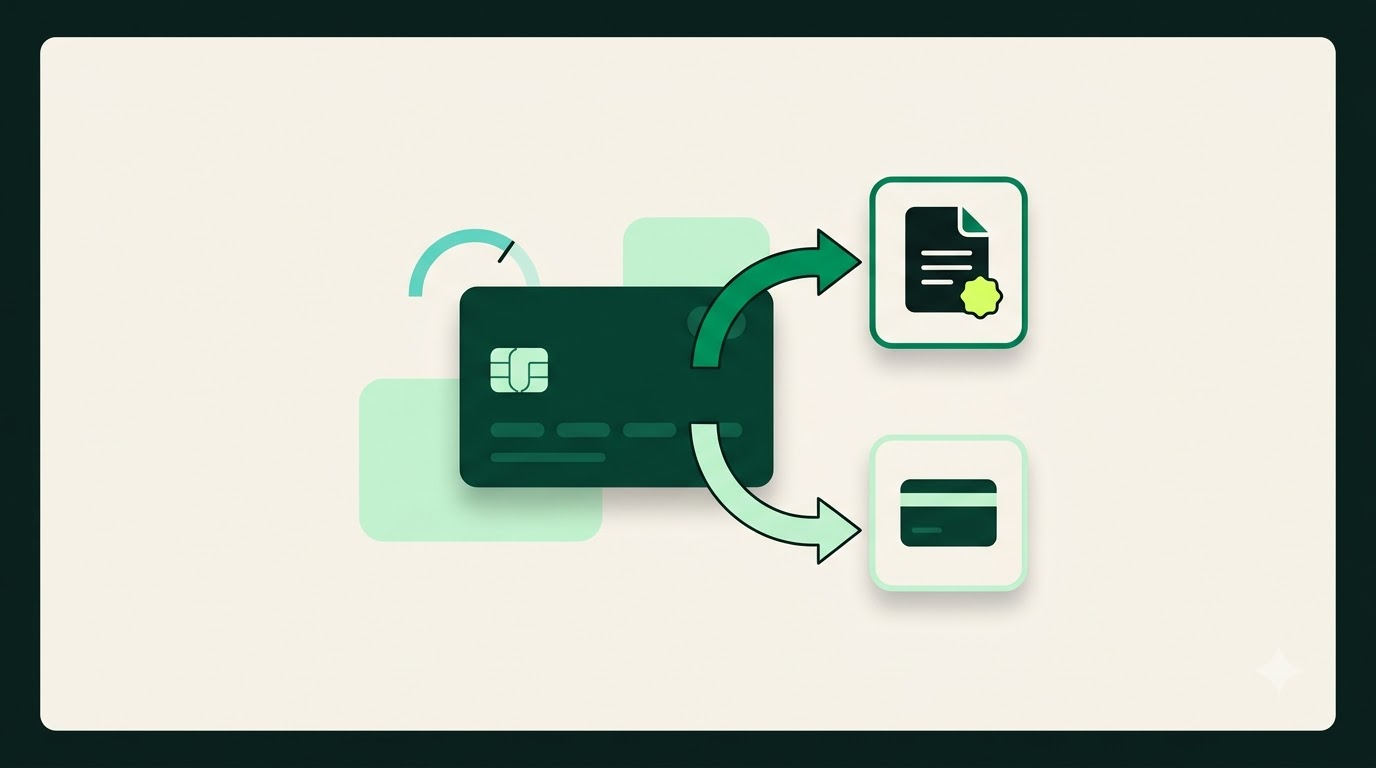
When you have credit card balances outstanding, you may wonder whether a personal loan or a balance transfer card is the better way to clear the debt.
Understanding the Two Options
When you have outstanding credit card balances, you may look for ways to restructure the debt. A personal loan can be used to pay off the entire amount, while a balance transfer moves the debt to a new credit card that often offers a lower introductory rate.
Personal Loan
A personal loan is an unsecured credit product that provides a lump sum which you repay in equal instalments over the agreed repayment period. Lenders assess your credit profile, income and debt‑to‑income ratio before approving the amount.
Credit Card Balance Transfer
Balance transfer lets you move the outstanding amount from one credit card to another, typically one that offers a promotional rate for a limited time. The transferred amount becomes a new balance on the destination card, and you continue to make payments as per its terms.
Key Factors to Compare
Consider the following aspects when deciding which option fits your situation best:
- Interest cost – The rate applied to the loan or the promotional period on the new card determines how much you pay overall.
- Loan amount and flexibility – A personal loan gives you a fixed amount that can cover the full balance, whereas a balance transfer may have a credit limit that caps the amount you can move.
- Repayment structure – Personal loans come with predetermined instalments, while credit cards allow you to pay more than the minimum, offering greater flexibility.
- Processing speed – Credit card balance transfers are usually completed within a few days, while personal loan approvals may take longer depending on documentation.
- Impact on credit score – Paying off a credit card balance can improve your utilisation ratio, while taking a new loan adds a fresh instalment to your credit history.
Eligibility and Documentation
Both products require proof of identity, address and income, but the exact documents differ. A personal loan typically asks for salary slips, bank statements and a completed application form. For a balance transfer, you mainly need the existing credit card details and a good credit standing.
Common Mistakes to Watch Out For
People often make these errors when choosing between the two options:
- Focusing only on the promotional rate without checking the rate after the introductory period.
- Assuming the credit limit on a balance transfer card is sufficient for the entire debt.
- Ignoring additional fees such as processing charges, annual fees or transfer fees that can erode savings.
- Taking a personal loan without confirming the repayment capacity, which may lead to default.
How to Choose the Right Option
Ask yourself the following questions to make an informed decision:
- Do I need the full amount upfront, or can I manage with a credit limit that may increase over time?
- Is my credit score strong enough to qualify for a lower interest rate on a personal loan?
- Am I comfortable handling a variable payment schedule, or do I prefer fixed monthly instalments?
- What are the total costs, including any fees or charges associated with the transfer or loan?
How Credit91 Can Help
If you are exploring either a personal loan or a balance transfer, Credit91 can assist you in comparing offers from its network of RBI‑regulated NBFC partners, simplifying the application process and providing clear information about eligibility and required documents.
Final Thoughts
Both personal loans and credit card balance transfers can be useful tools for consolidating debt, but they serve different needs. A personal loan offers a fixed amount and structured repayment, while a balance transfer provides flexibility and potentially lower introductory rates. Evaluate your financial situation, compare the total cost, and choose the option that best fits your repayment capacity.
Disclaimer
This article is for educational purposes only. Loan eligibility, terms, charges, and approval depend on the applicable lender’s policies and the applicant’s profile. Readers should verify the latest information before making financial decisions.
Primary Sources & Official Guidelines
RBI directive mandating transparency in digital lending, including Key Fact Statement disclosure, cooling-off periods, and borrower exit rights.
Guidelines requiring lenders to disclose all loan charges, prepayment terms, and balance transfer conditions upfront to borrowers.
Regulatory framework covering credit card billing, balance transfer rules, interest computation, and consumer protection measures.
Frequently Asked Questions
Can I transfer my entire credit card balance to a personal loan?
Yes, if the personal loan amount you are approved for covers the full outstanding balance. You would then use the loan to pay off the credit card debt in one transaction.
What happens if I don't pay off the balance before the promotional period ends?
After the promotional period, the interest rate reverts to the card's standard rate, which may be higher than the original loan rate. This can increase your repayment amount if the balance remains.
Do I need a good credit score for a balance transfer?
A higher credit score improves the chances of approval and may qualify you for a lower promotional rate. Lenders typically review credit history when evaluating balance transfer applications.
Are there fees for transferring a balance?
Some credit cards charge a balance transfer fee, usually a percentage of the amount transferred. Check the card's terms to understand any applicable fees before proceeding.
Is a personal loan better for large debts?
A personal loan can be advantageous for larger debts because it provides a fixed amount and predictable instalments. However, you should compare the total cost, including interest and fees, with the balance transfer option.