How to Compare the Total Cost of a Personal Loan in India
If you are looking to take a personal loan, the headline interest rate alone does not tell the whole story. The real cost includes the interest you pay, any processing or service fees, and possible penalties for paying off the loan early. Understanding each component helps you make a better borrowing decision.
Understanding the Total Cost of a Personal Loan
The total cost of a personal loan is the sum of the interest you pay over the life of the loan, any upfront fees such as processing charges, and any penalties that may apply if you repay early or miss payments. While the interest rate is the biggest factor, the other charges can add a substantial amount to the amount you ultimately repay.
Key Components That Make Up the Total Cost
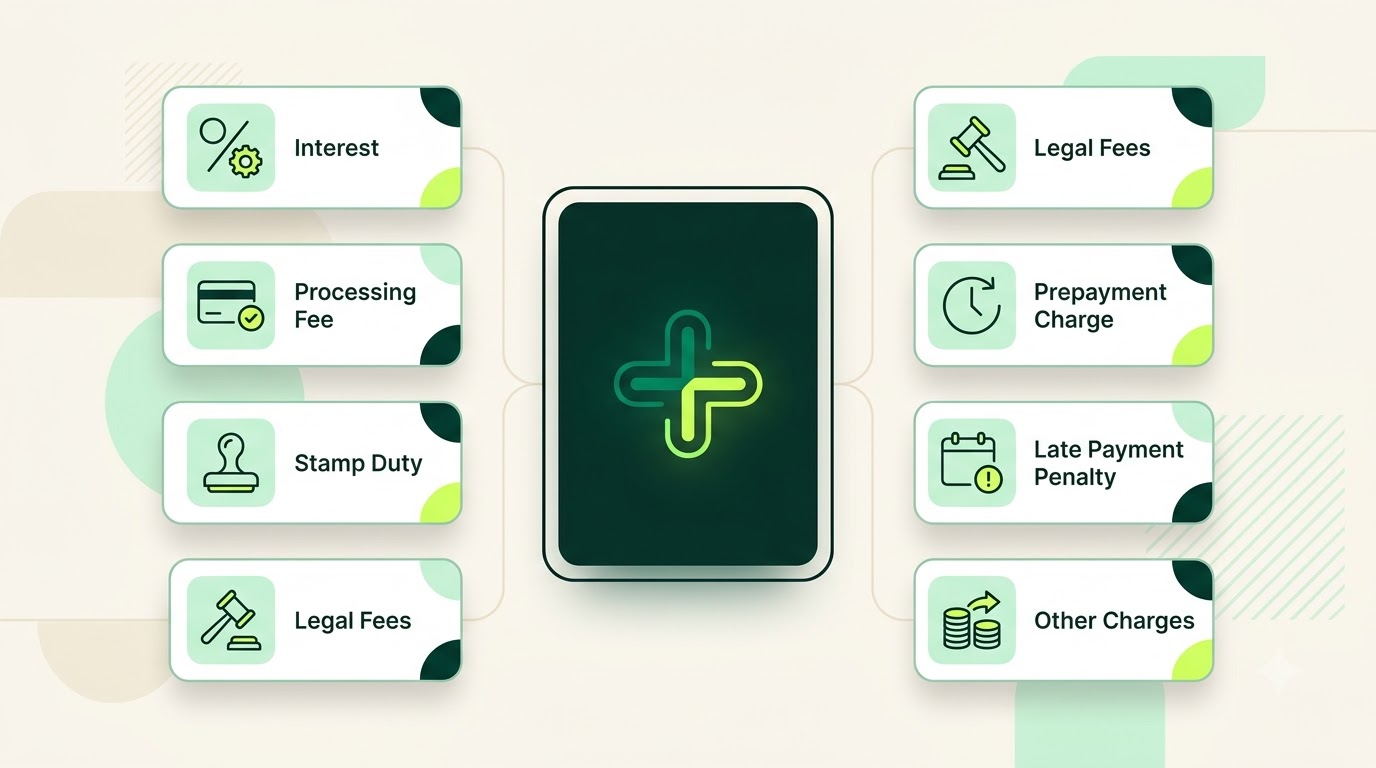
Typical components include the interest rate applied to the outstanding balance, a processing fee that is a percentage of the loan amount, stamp duty for the loan agreement, legal fees for documentation, a prepayment or foreclosure charge when the loan is settled early, a late payment penalty for missed EMIs, and any other miscellaneous charges such as cheque bounce fees.
| Component | What It Includes |
|---|---|
| Interest | Annual rate applied to the outstanding balance |
| Processing fee | Charge for arranging the loan, usually a % of the loan amount |
| Stamp duty | Government fee for the loan agreement |
| Legal fees | Costs for documentation and verification |
| Prepayment/foreclosure charge | Fee applied when you clear the loan before the agreed period |
| Late payment penalty | Additional charge for missed EMI |
| Other charges | Examples include cheque bounce fees or penalty interest |
Factors That Influence Eligibility and Loan Terms
Eligibility is shaped by credit profile, monthly income, employment stability and the loan amount requested. Lenders also consider the repayment period offered and may adjust fees or penalties based on the perceived risk.
Common Mistakes to Avoid
Common errors include focusing only on the headline interest rate, ignoring the fee structure, failing to read the prepayment clause, overlooking late payment penalties, and assuming the advertised APR is the only cost. Taking the time to review the full loan terms can prevent unexpected expenses later.
How to Compare Offers From Different Lenders
Start by gathering the interest rate, processing fee and any other charges from each lender. Use these details to calculate the APR, which reflects the total annual cost. Examine the prepayment penalty clause and compare the total repayment amount over the life of the loan. A loan calculator can help you see the overall cost for each offer.
How Credit91 Can Help
Credit91 operates as a Lending Service Provider working with RBI‑regulated NBFC partners. It can assist you in collecting multiple loan offers, comparing the total cost components and guiding you through the application process while keeping the final terms unchanged.
Final Thoughts
A thorough comparison of interest, fees and penalties enables you to choose a loan that fits your budget and saves money over the life of the loan. Use the insights provided to make an informed decision and avoid hidden costs.
Disclaimer
This article is for educational purposes only. Loan eligibility, terms, charges, and approval depend on the applicable lender's policies and the applicant's profile. Readers should verify the latest information before making financial decisions.
Frequently Asked Questions
What is the difference between interest rate and APR when comparing personal loans?
The interest rate shows the cost of borrowing based on the principal alone, while APR includes the interest rate plus fees and other charges, giving a fuller picture of the loan's total cost.
How can I find out if a lender charges a prepayment penalty?
Check the loan agreement or the lender's website for the prepayment clause; many lenders state the percentage or flat fee that applies if you pay off the loan before the agreed period.
Are processing fees included in the APR calculation?
Yes, APR is calculated after adding the processing fee and other upfront charges to the interest, so it reflects the true annual cost of the loan.
What documents do I need to apply for a personal loan?
Typical documents include proof of identity, address, income proof such as salary slips or tax returns, and bank statements; the exact list varies by lender.