Transfer Your Personal Loan to a New Lender and Save on Interest
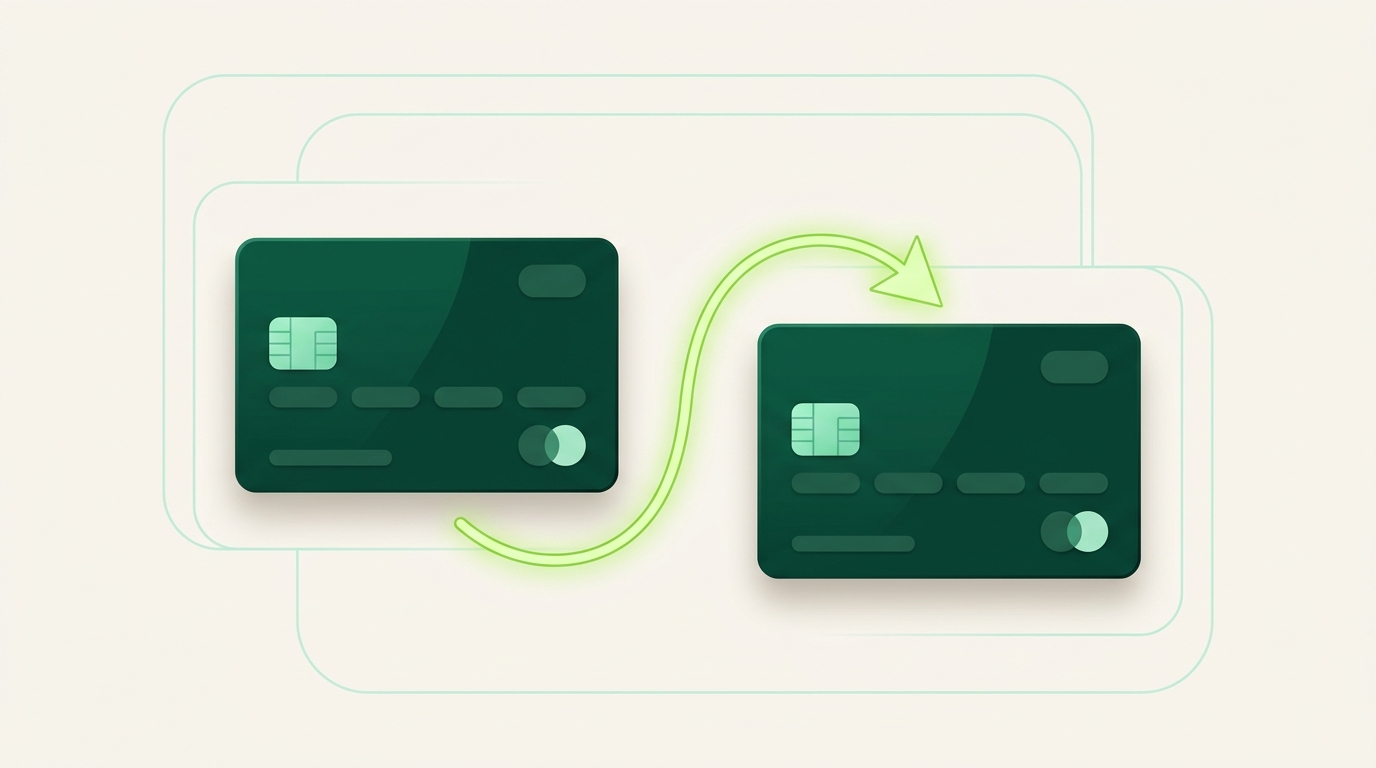
Many borrowers wonder whether moving their existing personal loan to a different lender can lower their monthly payment and reduce the total interest they pay. If you are considering a balance transfer, this article explains the process, the factors you should evaluate, and how you can make the most of the opportunity.
Understanding Personal Loan Balance Transfer
A personal loan balance transfer involves applying for a new loan that pays off your current loan, after which you continue repaying the new lender under the terms they offer. The main goal is usually to secure a lower interest rate, which can decrease your monthly instalment and the overall cost of borrowing. This approach is similar to refinancing a loan, but it is specifically called a balance transfer when the new product is a personal loan.
When you transfer the balance, the new lender typically disburses the amount directly to your existing lender, settles the outstanding amount, and then issues a fresh repayment schedule to you. This means you are not required to make early repayment charges to the original lender, provided the new loan is approved and the transfer is completed.
How Personal Loan Balance Transfer Works
The process starts with checking whether your current loan is eligible for a transfer. Lenders generally look for a track record of timely repayments, a reasonable remaining balance, and sufficient time left on the original loan’s term. If these criteria are met, you can approach a new lender, submit the required documents, and await approval.
Once approved, the new lender transfers the funds to your existing lender, clearing the debt. You then begin making payments according to the new loan’s schedule, which may feature a lower interest rate, a different repayment period, or more flexible terms. The new loan may also include additional fees such as processing charges, stamp duty, or pre‑payment penalties, so it is important to compare the total cost.
Another aspect to consider is the impact on your credit score. A successful balance transfer can improve your credit utilisation and payment history, which may positively affect your score over time. However, applying for new credit results in a hard inquiry, which can cause a temporary dip in the score. Weighing these effects helps you decide if the benefit outweighs the short‑term impact.
Eligibility and Process
Eligibility for a balance transfer typically depends on factors such as your credit profile, the outstanding loan amount, and the remaining tenure of the original loan. Lenders often require that you have completed a certain portion of the repayment schedule, usually the initial months, before allowing a transfer.
Documentation generally includes identity proof, address verification, income statements, and the repayment schedule of the existing loan. Some lenders may also request a no‑objection certificate from the current lender confirming that the loan can be transferred without penalty. Having these documents ready speeds up the approval process.
The application itself can be completed online through the lender’s portal or by visiting a branch. After submission, the lender evaluates your profile, may request additional information, and then provides a loan offer. If you accept, the transfer is executed, and you receive a new repayment schedule.
Common Pitfalls to Avoid
One frequent mistake is focusing solely on the headline interest rate without examining the full cost of the new loan. Processing fees, stamp duty, and pre‑payment penalties can offset the advantage of a lower rate, so a comprehensive cost comparison is essential.
Another issue is ignoring the impact on the repayment period. Extending the term to lower the monthly instalment may reduce immediate cash flow but increase the total interest paid over time. Ensure that the new repayment schedule aligns with your financial goals.
Some borrowers also overlook the effect on their credit score. Multiple credit inquiries within a short span can lower the score, and closing an old account may change your credit utilisation ratio. Planning the timing of the transfer can help minimise these effects.
Choosing the Right Lender
When evaluating potential lenders, compare the interest rate, any associated fees, and the flexibility of the repayment period. A lower rate is attractive, but if the fees are high, the net benefit may be minimal.
Check the lender’s reputation for transparency and customer service. Reading reviews and verifying that the lender is registered with the appropriate regulatory authority can provide confidence in the process.
It is also useful to assess whether the new loan offers any additional features such as the ability to make extra payments without penalty, or options to adjust the repayment schedule. These flexibility factors can add value beyond the interest rate alone.
How Credit91 Can Assist
Credit91, a digital lending platform that partners with RBI‑regulated NBFCs, can help you compare offers from multiple lenders and streamline the application process. By using the platform, you can view tailored loan proposals, check eligibility criteria, and gather the necessary documentation without visiting several branches.
The service does not guarantee approval or the lowest rate, but it provides a transparent view of the options available, enabling you to make an informed decision based on your financial situation.
Key Takeaways
Transferring a personal loan to another lender can be a smart way to reduce your interest burden and monthly payment, provided the new terms are genuinely more favourable. Evaluate the total cost, understand the eligibility requirements, and avoid common mistakes such as overlooking fees or extending the repayment period unnecessarily.
By conducting thorough research and using tools that simplify the comparison, you can identify a balance transfer that truly benefits you. If you need assistance in navigating the process, Credit91 offers a platform to explore suitable options from its partner lenders.
Disclaimer
This article is for educational purposes only. Loan eligibility, terms, charges, and approval depend on the applicable lender's policies and the applicant's profile. Readers should verify the latest information before making financial decisions.
Frequently Asked Questions
Can I transfer my personal loan after making several repayments?
Yes, most lenders allow a balance transfer once you have completed a portion of the repayment schedule. The exact waiting period varies by lender, so check their eligibility criteria before applying.
Will transferring my loan affect my credit score?
A hard credit inquiry may cause a temporary dip in your score, but successfully repaying the new loan can improve your credit utilisation and payment history, which benefits your score in the long run.
What fees should I consider when transferring a personal loan?
Typical fees include processing charges, stamp duty, and any pre‑payment penalties from the original lender. Comparing the total cost of the new loan with these fees helps you determine the true benefit.
Do I need to close my existing loan account before the transfer?
No, the new lender usually settles the outstanding balance directly with your current lender, so you do not have to close the account yourself. The transfer simply replaces the old loan with a new one.